Zero Timing Russian Thunder

When I purchased Russian Thunder, my Yakovlev Yak-54, the airplane looked rough in several areas. The paint used by Yakovlev at the factory simply didn’t stick to the metal properly, leaving big chunks missing across the fuselage and wings. Previous owners had made some repairs, but the workmanship wasn’t great. To make matters worse, there was a service bulletin out about a spar issue that needed to be addressed, but I couldn’t get any information on the required parts from the factory.
The Decision to Restore
Rather than fly an airplane with known issues and questionable repairs, I made the decision to hire an aircraft shop to bring Russian Thunder back to its original factory condition. This would be an extensive restoration—essentially a “zero timing” of the entire airframe.
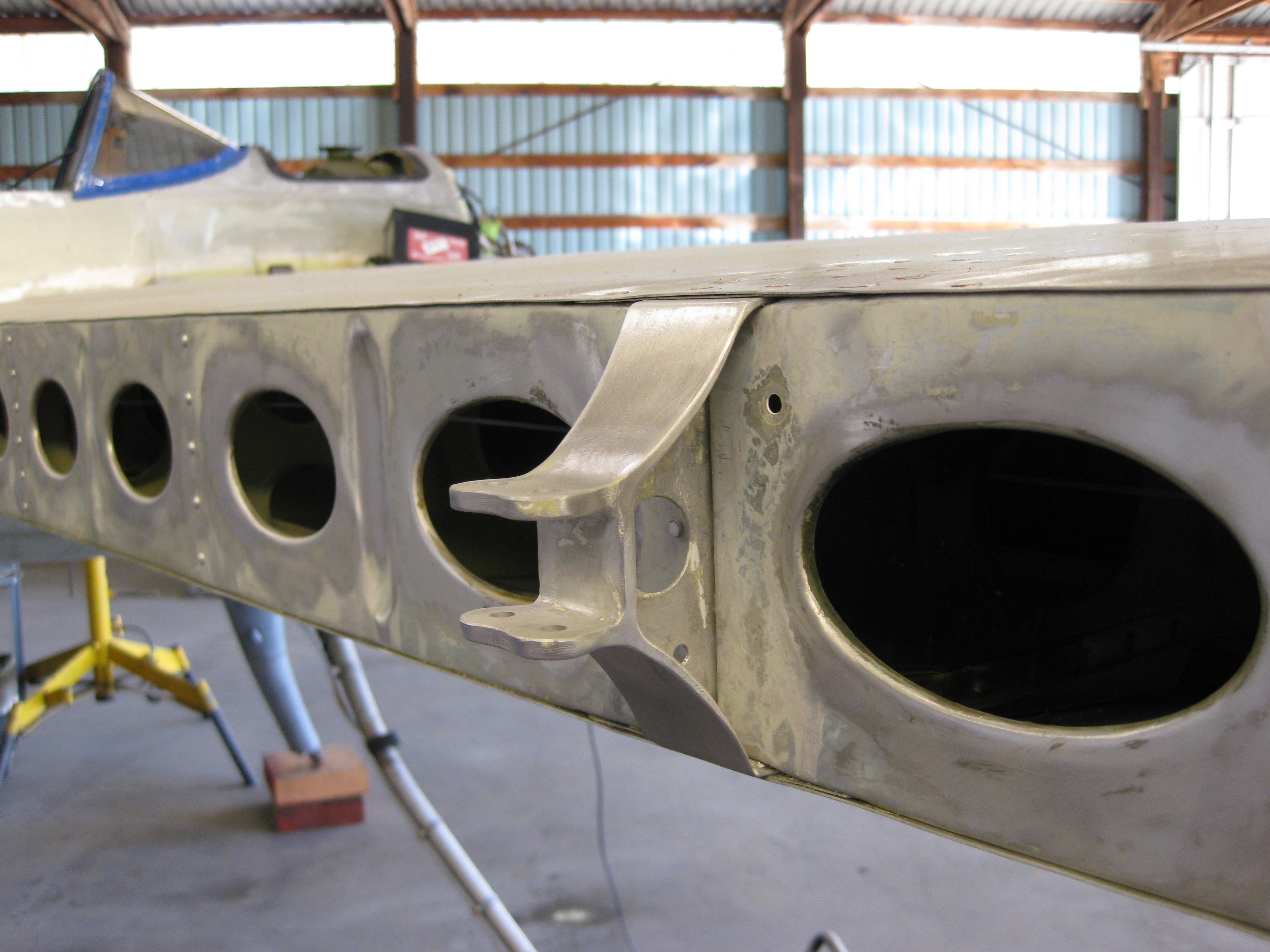
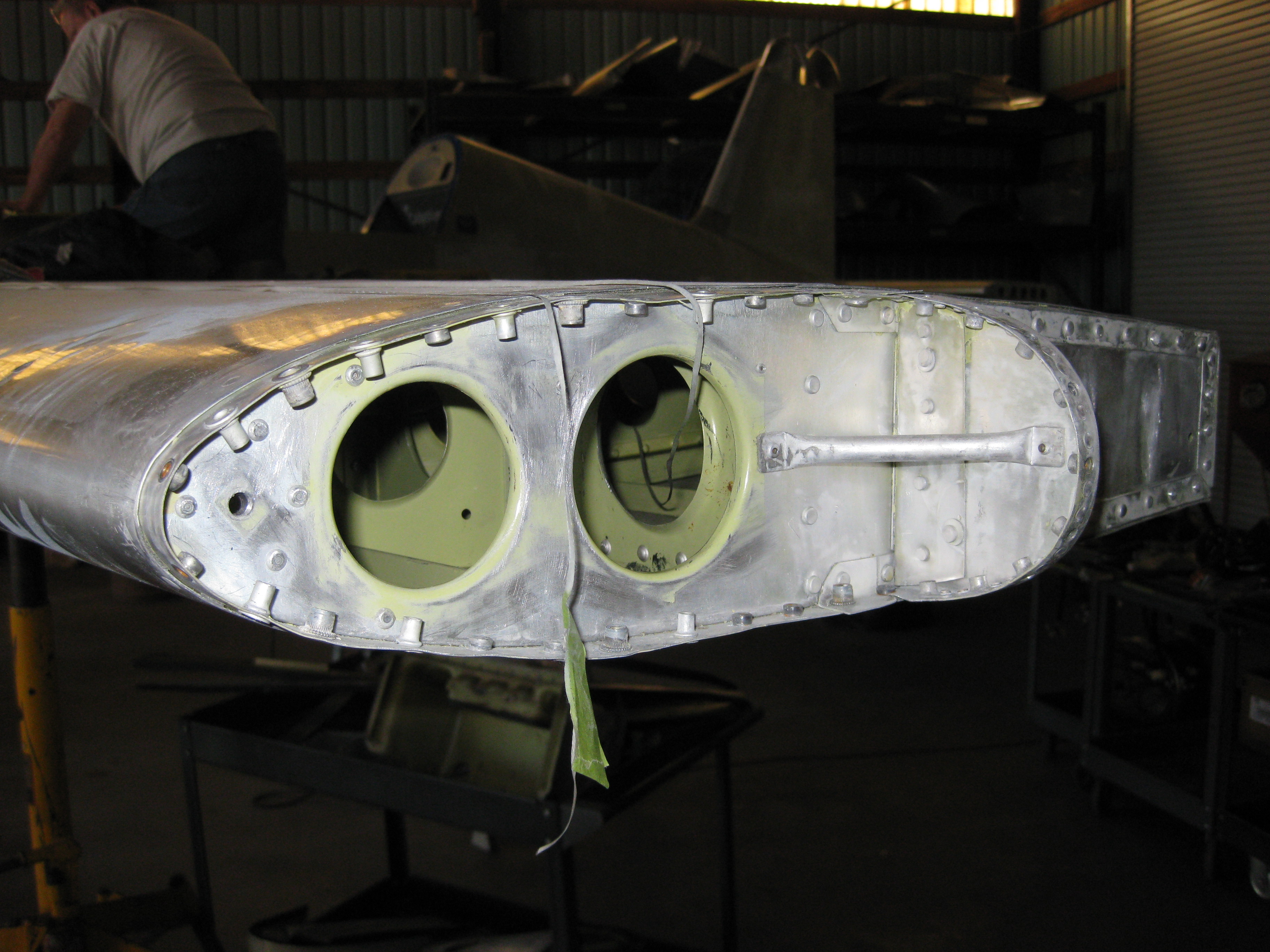
The shop stripped the airplane down to bare metal, inspecting every rivet, every weld, and every structural component. The spar issue was properly addressed, and all the previous repair work was redone correctly.
Engine Overhaul
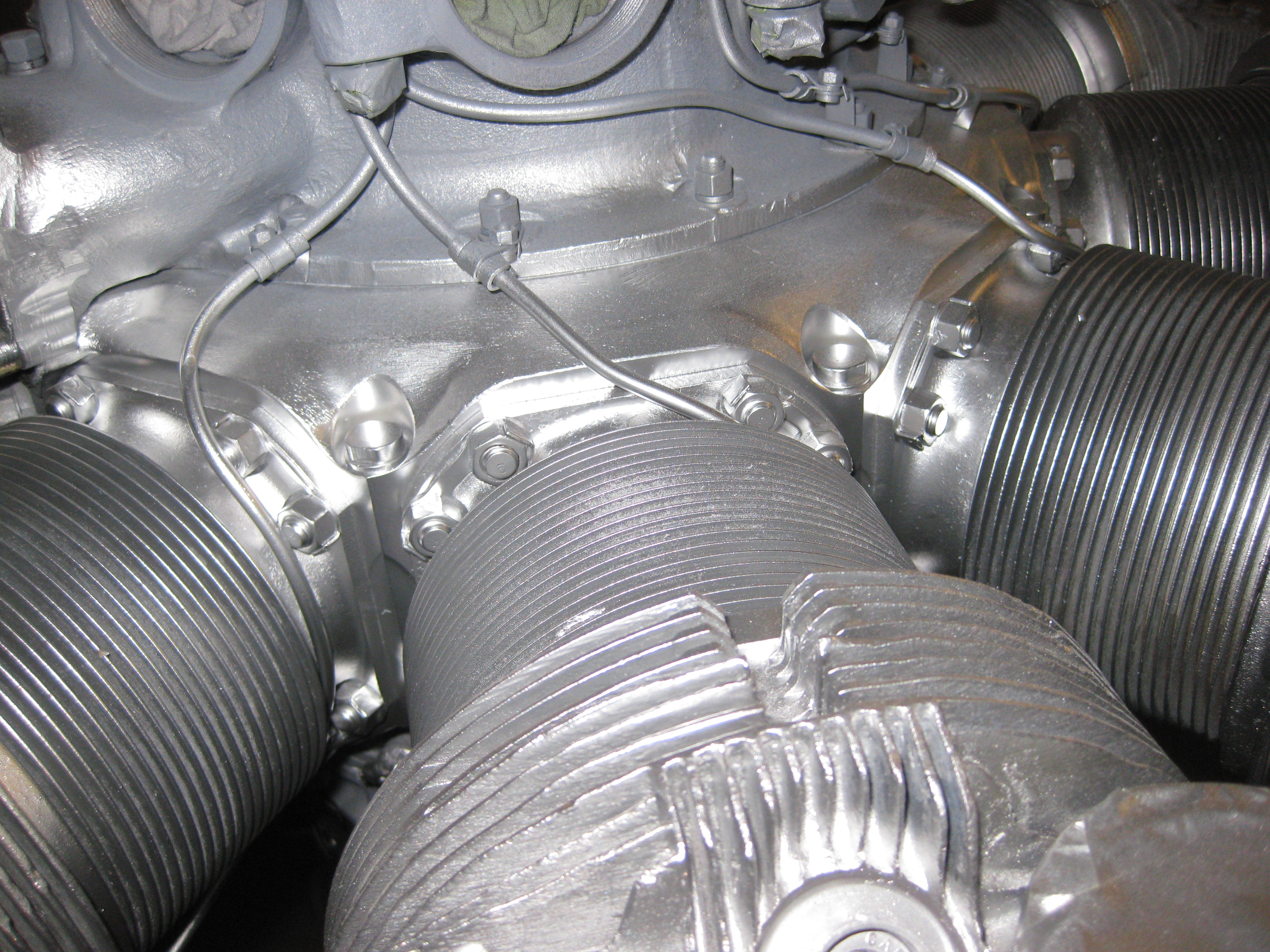
The Vedeneyev M-14 radial engine was also completely overhauled as part of the restoration. Every cylinder was inspected, and the engine was brought back to factory specifications.
A Personal Touch
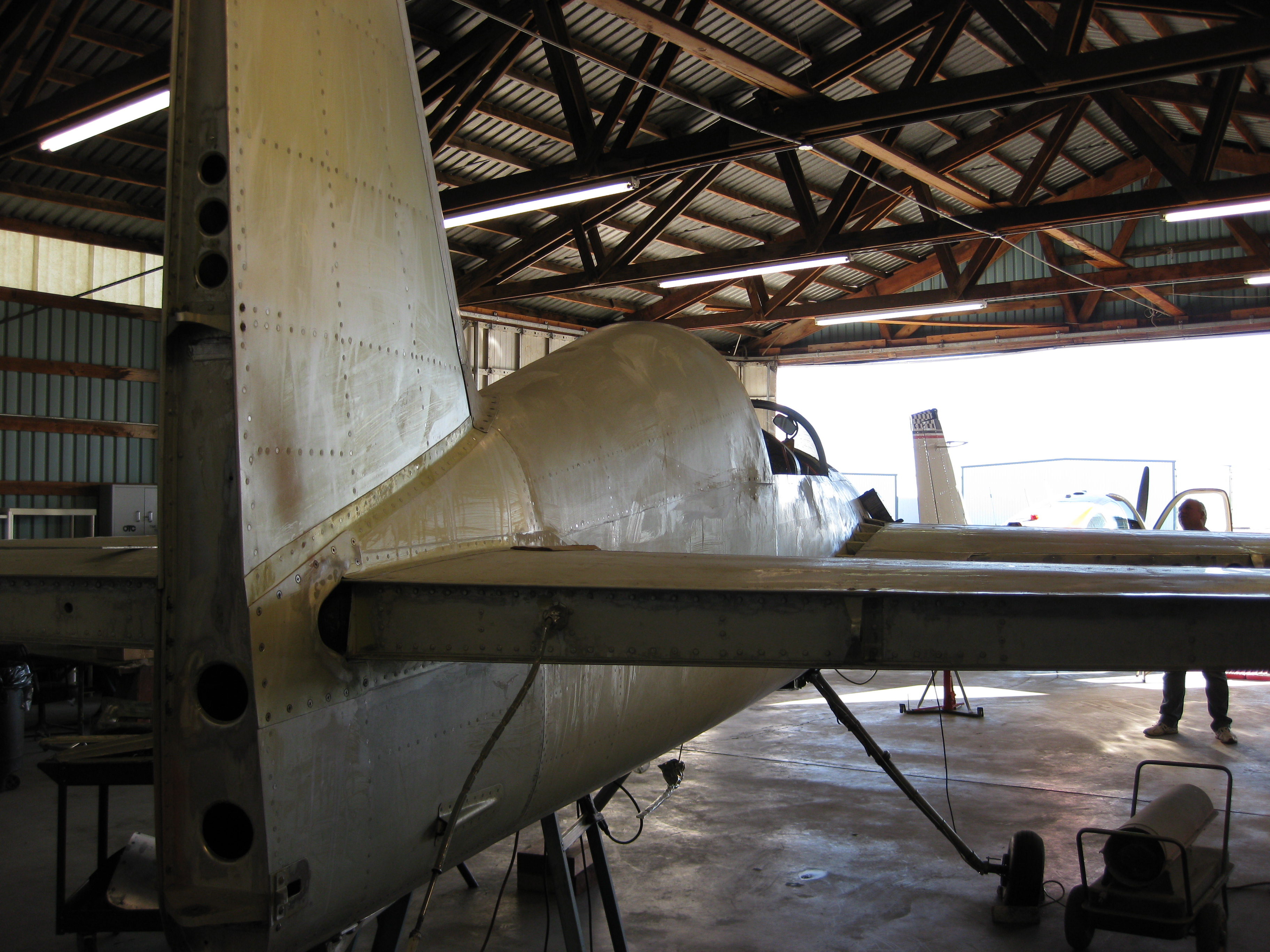
The goal was to keep Russian Thunder looking exactly as it came off the factory floor, but I couldn’t help adding one small personal touch. I added a subtle swoop to the paint lines near the tail section. This visual design element was inspired by how R/C aerobatic models looked at that time—the flowing lines that made those models so striking in the air.
That design choice became something of a signature for me. I built upon those flowing lines for the color schemes I later used on Fuzz Machine I and II, my Extra 330SC aircraft. The visual language that started with Russian Thunder’s restoration carried forward through my aerobatic career.
The Result
The end result was beautiful. Russian Thunder emerged from the shop looking better than new, with all the structural issues properly resolved and a fresh paint scheme that honored the original design while adding my personal touch. It was an expensive undertaking, but it gave me confidence in the airplane and allowed me to push it hard in competition and practice without worrying about the airframe’s integrity.
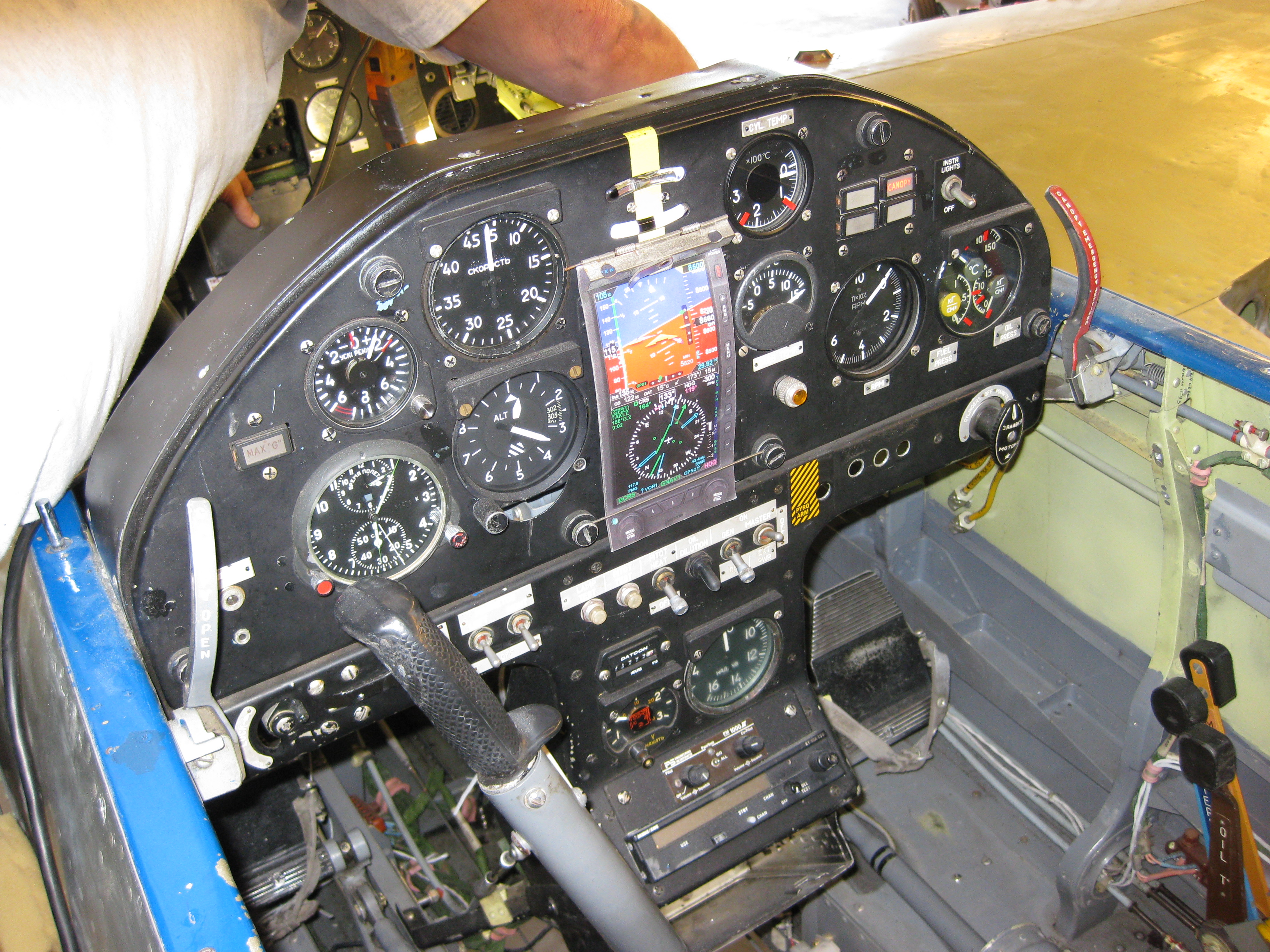
This restoration taught me a lot about aircraft construction and maintenance. The skills and knowledge I gained during this process served me well throughout my years of aerobatic flying.
