New Aileron Design for MX Aircraft


Originally published in Sport Aerobatics magazine, November/December 2026 issue.
Join the IAC →I recently finished up some exciting work on the MX Aircraft series: a new aileron design.
There are a lot of changes:
- The hinge position is now 1/4 inch farther forward.
- The ailerons are now slightly shorter. This might seem surprising, but I’ll explain later on.
- An aerodynamic balancing horn is now standard.
- The spade design is entirely new.
- The mass balance point has been moved rearward considerably.
- The mass of the aileron is now lower.
The new aileron design will be available on new MX Aircraft and can be retrofitted to existing models.
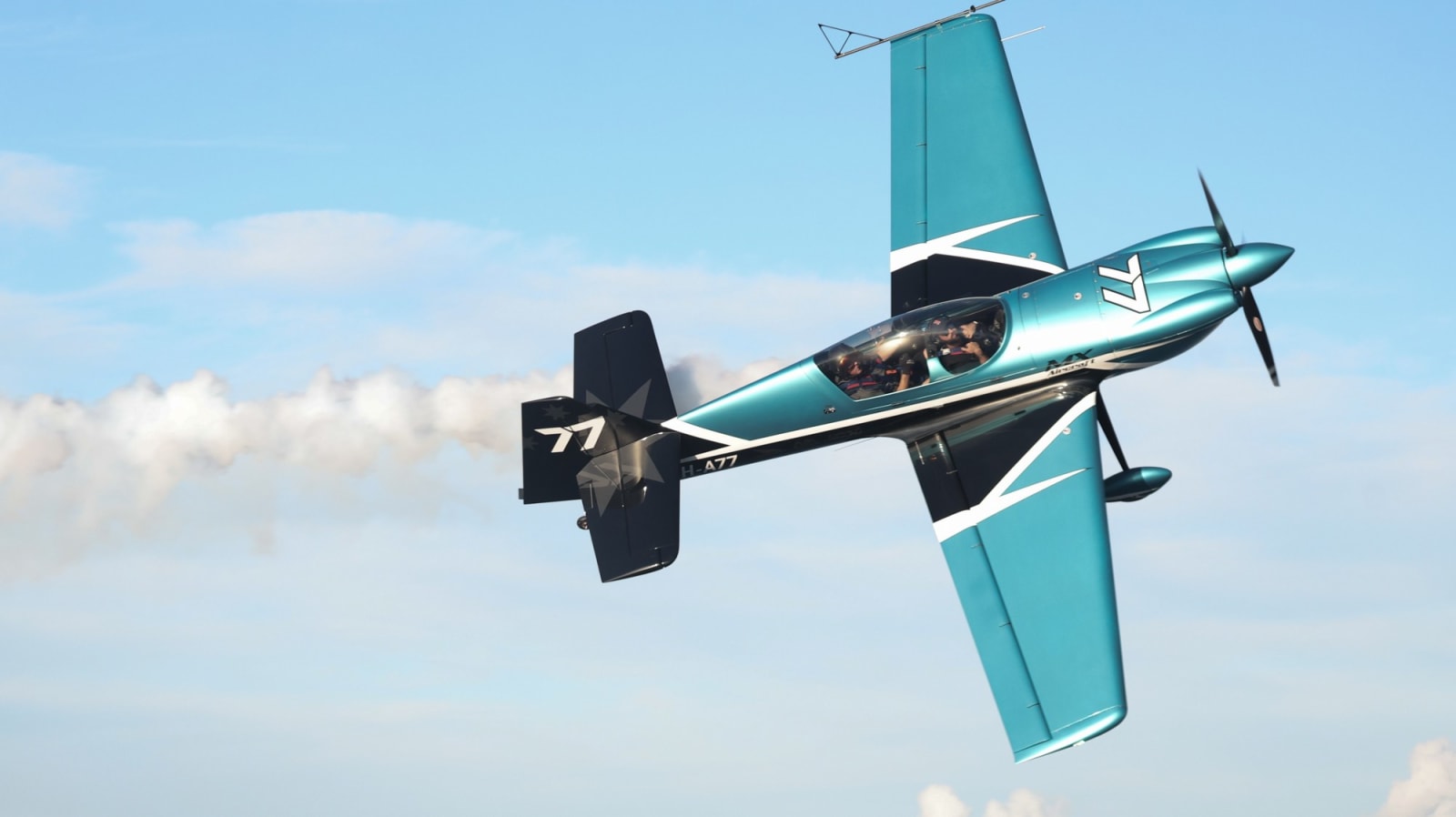
The Genesis
Jack Moshovis of MX Aircraft demonstrated incredible excitement about this project, pulling out all the stops to make it a reality. We started this project with some good ideas about how to make the ailerons better, but going from the drawing board to a finished design was always going to take a lot of flight testing. For over a year, we traded emails with crude back-of-the-napkin style drawings while I researched every resource about control surface design available. Initial flight testing was performed by the MX Aircraft factory in Australia before they shipped the test-bed aircraft to me, complete with many test structures to try out.
Flight Testing
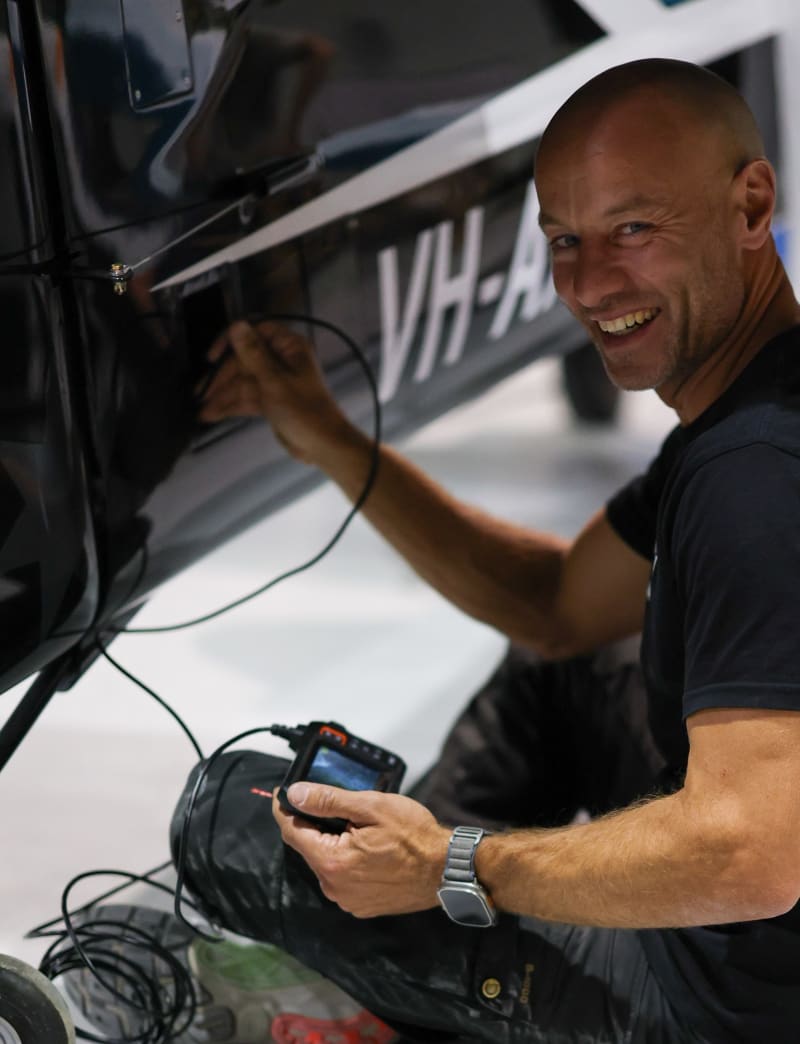
Control surface design is something of an art. While the basics are well understood, it’s pretty much impossible to predict exactly how controls will feel to a pilot during dynamic aerobatic flight conditions. I’ve done a lot of work on the MX control surfaces in general; at this point, I think I have six elevators and four sets of ailerons in my hangar! Staying safe through all the flight testing was the number one goal, of course. I was assisted by Pike Kelly, who did the wrenching and made sure I never strapped myself into an unsafe airplane.
Flight tests involved low-speed and high-speed flight, including operation of the ailerons at full deflection at VNE, positive and negative snap rolls at various airspeeds and orientations, and a range of freestyle maneuvers.
The Goals
The MX has always had powerful ailerons, able to roll the aircraft at over 450 degrees per second, but with that power came a downside: the ailerons could not be tuned for effortless movement at typical flight speeds without causing centering issues. Pilots had to choose between tight centering or low stick force at full deflection. They couldn’t have both.
We didn’t want pilots to have to compromise like that. We knew it was possible to create an aileron that would offer the best of both worlds.
With the new aileron design, the ailerons can be fully deflected with one hand but still snap back to center nicely. The reduction of aileron span may seem surprising but flight testing proves that the inboard area was not appreciably contributing to roll rate yet did add a lot of straightening force. Overall, roll rate is about the same at equivalent deflection angles.
Conclusion
The end result of all this is the plane is much easier to fly in competition. The MX is obviously dominant in freestyle flying, and now I think it will be a lot easier to fly in competition, where hard snap and roll stops are, I believe, the most important thing.
This is the culmination of years of head scratching, flight testing, and the input of a lot of helpful people. I’d like to thank Ed Koffeman and Peter Kampf in particular for being so helpful in many discussions on the aerodynamics of control surfaces.
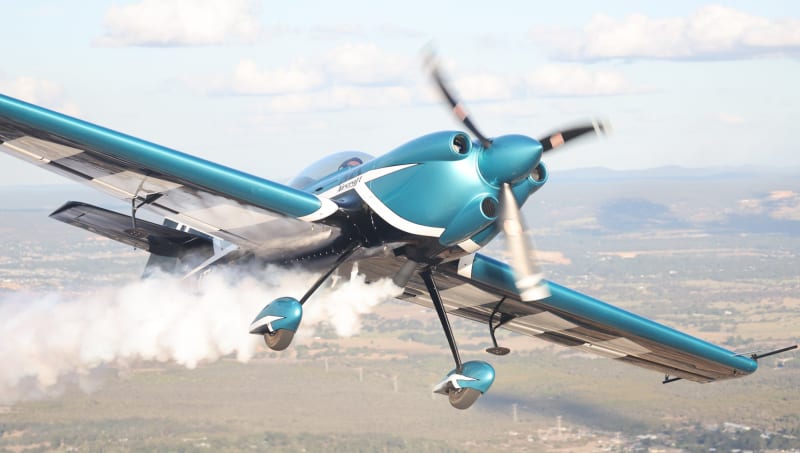
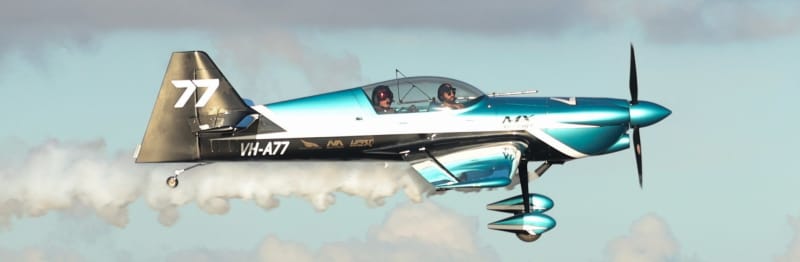
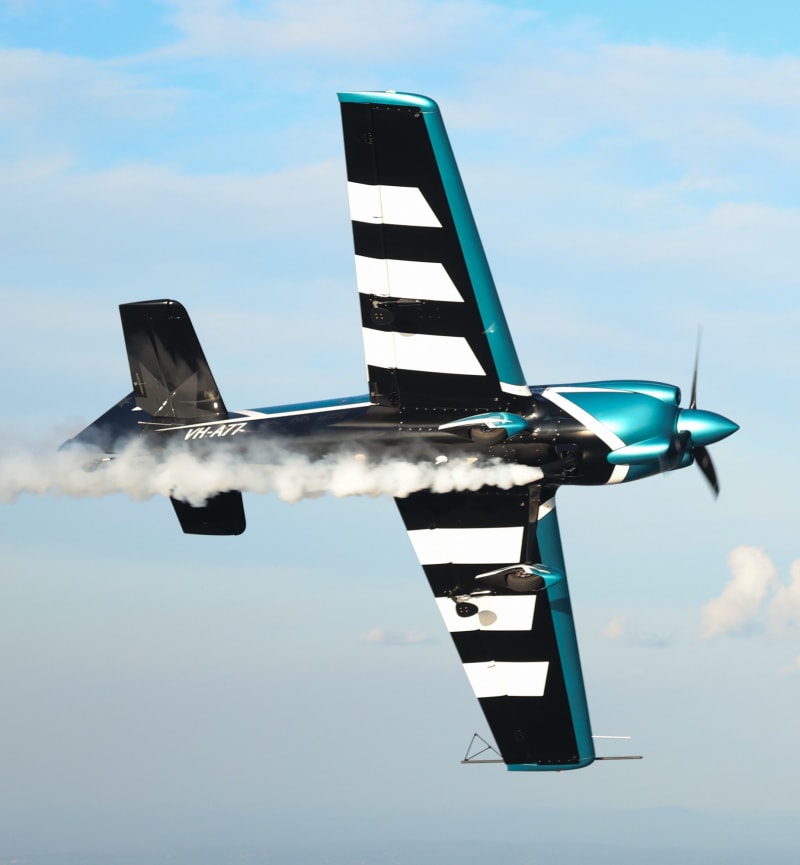


Photography by Gregory Gerhardt.
